Mold-Resistant Building Materials for Your Claymont Renovation Project
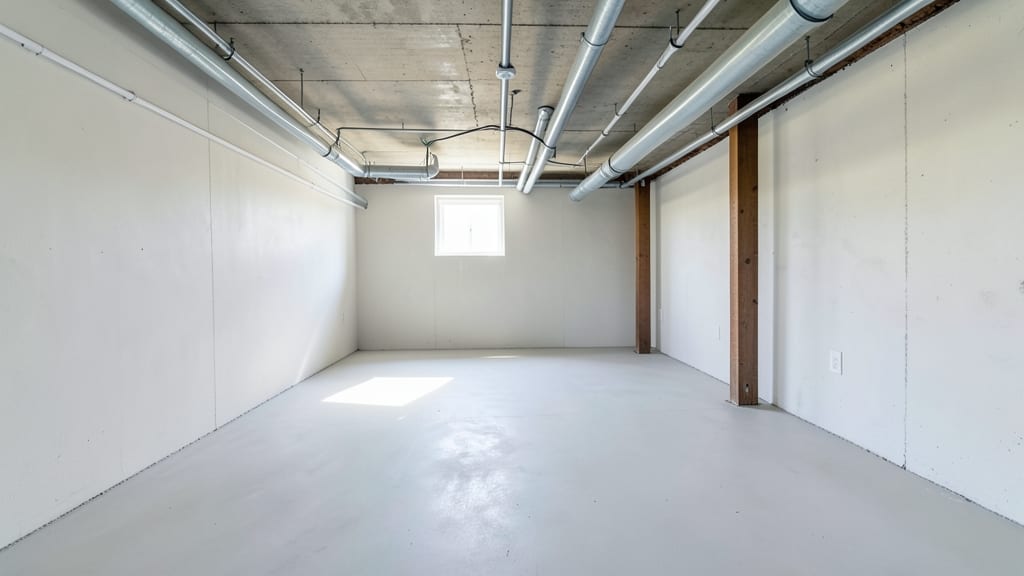
Claymont’s humid summers and damp winters create the perfect breeding ground for mold. Choosing the right materials during renovations can save you from costly remediation down the line. We’ve seen firsthand how the wrong choices lead to hidden mold in walls, attics, and crawl spaces—especially in older homes near Wilmington and Bellefonte.
Why Mold-Resistant Materials Matter in Claymont
Delaware’s coastal climate means high humidity year-round, with Claymont’s proximity to the Delaware River amplifying moisture issues. Standard drywall and untreated wood absorb moisture, feeding mold growth behind walls and under floors.
Once mold takes hold in materials like OSB or fiberglass insulation, it spreads rapidly—often unseen until it’s a major problem. We’ve remediated entire basements in Ardentown and Ardencroft where poor material choices led to widespread contamination.
Mold can thrive inside wall cavities for years before visible signs appear. By then, remediation costs and structural damage escalate quickly.
Mold-Resistant Drywall: The First Line of Defense
Paperless drywall, like USG Sheetrock® Mold Tough or Georgia-Pacific’s DensArmor Plus, replaces the paper facing with fiberglass or synthetic materials. This prevents moisture absorption, a critical feature for basements in Greenville or crawl spaces in Elsmere.
These products also include antimicrobial additives to inhibit mold growth. We recommend them for bathrooms, kitchens, and any area prone to leaks or condensation—common in older Claymont homes.
Insulation That Doesn’t Feed Mold
Traditional fiberglass batts trap moisture, creating a haven for mold. Closed-cell spray foam insulation, however, resists water absorption and fills gaps completely, eliminating air leaks that introduce humid air from outside.
For attics in Pike Creek or crawl spaces in North Star, we often specify rigid foam board or mineral wool. Both are inorganic, so they won’t support mold growth even if they get wet.
| Material | Mold Resistance | Moisture Resistance | Best For |
|---|---|---|---|
| Fiberglass Batts | Low | Poor | Dry, well-ventilated walls |
| Cellulose | Low | Poor | Attics with no moisture issues |
| Open-Cell Spray Foam | Moderate | Moderate | Interior walls with controlled humidity |
| Closed-Cell Spray Foam | High | High | Basements, crawl spaces, attics |
| Rigid Foam Board | High | High | Exterior walls, foundations |
| Mineral Wool | High | High | Fire-resistant areas, damp spaces |
Framing and Sheathing: Keep the Structure Dry
Pressure-treated lumber resists rot and mold, making it ideal for framing in basements or bathrooms. For exterior sheathing, we recommend cement board or fiber cement siding, which won’t degrade in Claymont’s wet conditions.
House wrap, like Tyvek, acts as a moisture barrier behind siding. In neighborhoods like Talleyville or Boothwyn, where older homes lack proper wrapping, we often find mold in the sheathing during remediation.
Improper or missing Z-flashing above windows and doors is a top cause of water intrusion in Claymont homes. Always use corrosion-resistant materials.
Flooring and Subflooring: Stop Mold at the Ground Level
Carpet in basements or below-grade rooms is a mold magnet. Instead, opt for tile, vinyl plank, or polished concrete. For subflooring, use moisture-resistant OSB or plywood treated with mold inhibitors.
In crawl spaces, a vapor barrier (6-mil polyethylene) laid over the dirt floor prevents ground moisture from wicking into the home. We’ve encapsulated countless crawl spaces in Delaware City and St. Georges to solve chronic mold issues.
HVAC and Ductwork: Preventing System-Wide Contamination
Mold in HVAC systems spreads spores throughout the entire home. Use insulated flex duct with a mold-resistant inner liner, or opt for sheet metal ducts, which don’t support mold growth.
In humid areas like Claymont, we also recommend UV lights in the ductwork to kill mold spores before they circulate. Regular duct cleaning is critical, especially in older homes in Newport or Wilmington Manor.
HVAC Mold Prevention Checklist
- Use mold-resistant duct materials (metal or treated flex duct)
- Install UV lights in the return air stream
- Seal all duct joints with mastic, not duct tape
- Replace fiberglass duct board with sheet metal if mold is present
- Maintain humidity below 50% with a whole-house dehumidifier
Exterior Materials: Siding and Trim That Last
Vinyl, fiber cement, or metal siding won’t rot or mold, unlike wood. For trim, PVC or composite materials outperform traditional wood in Claymont’s climate. These don’t absorb water, so they won’t swell, crack, or grow mold.
In historic districts like Arden or Ardencroft, we work with homeowners to match aesthetic requirements with modern, mold-resistant alternatives. Proper overhangs and gutters are non-negotiable to direct water away from the structure.
When to Call in the Pros for Mold Remediation
Even with the best materials, leaks or flooding can still lead to mold. If you see discoloration, smell musty odors, or notice peeling paint, it’s time for a professional mold inspection. We use thermal imaging and moisture meters to detect hidden issues in walls, attics, or crawl spaces.
For commercial properties in New Castle or Newark, or large residential jobs, our team follows IICRC S520 standards for remediation. This includes containment, HEPA filtration, and post-remediation verification testing.
How to Choose Mold-Resistant Materials for Your Renovation
Selecting the right materials starts with assessing your home’s moisture risks.
- 1Identify High-Risk Areas
Focus on basements, bathrooms, kitchens, crawl spaces, and attics. In Claymont, also consider exterior walls facing prevailing winds or shaded sides of the house.
- 2Match Materials to the Space
Use paperless drywall for interior walls, closed-cell foam for insulation, and PVC trim for exterior details. Avoid organic materials in damp areas.
- 3Check for Moisture Barriers
Ensure vapor retarders are installed correctly in walls and crawl spaces. House wrap should overlap properly and be sealed at seams.
- 4Prioritize Ventilation
Install exhaust fans in bathrooms and kitchens, and consider a whole-house dehumidifier for Claymont’s humid climate. Proper airflow prevents moisture buildup.
- 5Inspect Existing Structures
Before renovating, have a mold inspection to identify any existing issues. Remediate problems before installing new materials to avoid trapping mold behind walls.
- 6Work with Local Experts
Partner with a Claymont-based remediation specialist who understands Delaware’s climate and building codes. We can recommend materials and techniques tailored to your home.
Frequently Asked Questions
Are mold-resistant materials more expensive?
Upfront costs are higher, but they pay off by preventing costly remediation and structural repairs. Factors like material type, labor, and the size of your project influence the total. Request a quote to compare long-term savings.
Can I use mold-resistant materials in a historic Claymont home?
Yes. Many mold-resistant options, like fiber cement siding or PVC trim, can be painted to match historic aesthetics. We’ve worked on homes in Arden and Ardencroft to blend modern protection with classic looks.
How do I know if my current insulation is moldy?
Signs include a musty smell, visible black or green spots, or insulation that feels damp or crumbles easily. If you suspect mold in your attic or walls, schedule a professional mold inspection and air quality test.
What’s the best way to prevent mold in a Claymont basement?
Start with a vapor barrier on the floor and walls, use a dehumidifier to keep humidity below 50%, and choose mold-resistant drywall and insulation. Also, ensure proper grading outside to direct water away from the foundation.
Do mold-resistant materials eliminate the need for moisture control?
No. Materials buy you time and resilience, but moisture control is critical. Fix leaks promptly, maintain gutters and downspouts, and monitor humidity levels, especially in Claymont’s damp seasons.
Can mold grow on concrete or metal?
Mold can grow on dust or organic debris that accumulates on concrete or metal surfaces. While these materials don’t support mold growth themselves, they must be kept clean and dry to prevent surface mold.